
 Visit our group of companies

Your 1-Stop Supplier & Installer of all surfaces
Visit our group of companies
Your 1-Stop Supplier & Installer of all surfaces
April 2, 2026
If you live in Canada, you know that our winters aren’t just a season – they are a test of endurance. We deal with everything from waist-deep snow in the Rockies to the bone-chilling winds of the Prairies and the messy slush of the East Coast. For homeowners, winter usually means a long, brown wait. We watch our beautiful green lawns disappear under a white blanket, knowing that when the snow finally melts, we’ll be greeted by mud, salt damage, and those frustrating “dead spots” where the grass just didn’t make it.
But lately, more Canadians are making the switch to synthetic grass. One of the biggest questions we get is: “Can it actually survive a Canadian winter?”
The short answer is: Yes. In fact, it’s designed for it. Here is a look at how your turf handles the cold and what you can expect when the temperature drops.
In many parts of Canada, the hardest part of winter isn’t the constant cold – it’s the back-and-forth. One week it’s -20°C, and the next week a warm front brings rain and melting slush, only for it to freeze solid again overnight. This is called the freeze-thaw cycle, and it is brutal on natural grass, concrete, and even some types of stone.
When water gets into the soil under natural grass and freezes, it expands, often “heaving” the ground and damaging the roots. High-quality freeze-thaw resistant turf is built differently. Because it is installed on a specialized base of crushed stone and drainage layers, the water doesn’t sit under the surface – it moves through. The turf itself is flexible, so it can expand and contract without cracking or becoming brittle. It stays exactly where it was installed, ready for spring.
Snow is heavy, and in a bad year, your lawn might be carrying thousands of pounds of it for months. You might worry that all that weight will “crush” your turf. While the blades of grass will naturally flatten a bit under a heavy snowpack, they aren’t being damaged.
One of the best things about winter-proof landscaping is that the fibers are made from resilient polymers. Once the snow melts and you give the lawn a quick “fluff” with a plastic rake, the blades stand right back up. Unlike natural grass, which goes dormant and turns a depressing shade of brown, your turf stays that perfect, healthy green underneath the white stuff.
For the most part, we recommend just letting the snow melt naturally. However, if you have a specific path you need to clear for a pet or to reach a hot tub, turf snow removal is pretty straightforward.
The golden rule is: Avoid metal shovels. Metal blades can catch on the backing of the turf or accidentally slice the fibers. Instead, use a plastic snow shovel or even a leaf blower for light, powdery snow. If there is a layer of ice, avoid using heavy salt or chemical de-icers if possible. While salt won’t usually “kill” the turf like it does real grass, the residue can build up in the drainage layer. Usually, just letting the ice melt on its own is the safest bet for the longevity of your lawn.
The absolute best part of having a synthetic lawn happens in late March or early April. We’ve all seen the “Spring Reveal” of a natural lawn – it’s usually a soggy, muddy mess of grey-brown grass and puddles that stay for weeks.
With synthetic turf, the moment the snow is gone, your lawn is ready to use. Because the drainage system is so efficient, you don’t have to deal with the “mud season.” You can walk on it, your kids can play on it, and your dogs won’t track muddy paw prints into the house. It’s the ultimate reward for getting through the winter.
You don’t need a degree in engineering to keep your lawn in top shape. Artificial grass winter care is mostly about preparation. Before the first big snow hits, we suggest giving the lawn a quick leaf-blowing or raking to remove any fallen leaves or organic debris. If these are left under the snow all winter, they can break down and move into the drainage layer.
Once the lawn is clear, you can sit back, pour a hot chocolate, and watch the snow fall. You’ll have the peace of mind knowing that while your neighbors are worrying about their frozen roots and upcoming spring yard work, your lawn is just taking a well-deserved nap – and it will look perfect the second the sun comes back out.
If you’re tired of the brown-grass blues every spring, let’s talk about a surface that stays green 365 days a year, no matter what the Canadian clouds throw at it. Give us a call at Surface Suppliers, and we’ll help you design a lawn that loves the winter as much as you do!
Surface Suppliers isn’t just a contractor — we’re a partner in your project’s success.
Surrey
Delta
Langley
White Rock
Vancouver
Burnaby
Richmond
Abbotsford
Chilliwack
Kelowna
Kamloops
Prince George
Victoria
Winnipeg
Brandon
Surrey
Calgary
Edmonton
Red Deer
Lethbridge
Medicine Hat
Montreal
Quebec City
Laval
Sherbrooke
Gatineau
Halifax
Moncton
Charlottetown
St. John’s
Toronto
Mississauga
Brampton
Ottawa
Hamilton
London
Kitchener
Windsor
Niagara
Kingston
Regina
Saskatoon
Prince Albert
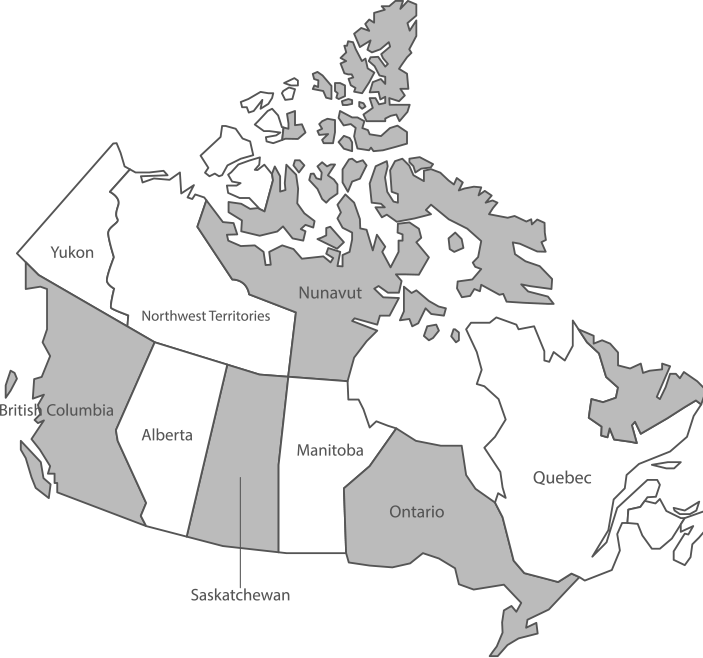
Yukon
Northwest Territories
Nunavut
Ready to get started? Every great project begins with a solid foundation. Request an onsite visit, and one of our experts will come to your property to assess the terrain, take precise measurements, and discuss the best drainage and surfacing options for your specific space.
We want you to see and feel the quality of our surfaces firsthand. Use this form to let us know which products you’re interested in, and we’ll get a sample pack or technical spec sheet headed your way.
Note on Deliveries: Our team handles sample drop-offs on weekends only between 12:00 pm and 6:00 pm. To keep things efficient and safe, we provide front-door contactless delivery only. Please note we cannot deliver to condos at this time.
If you are a synthetic turf installer or interested in becoming one, get in touch with us today and become an exclusive carrier!
Let’s bring your vision to life. Whether you need a 3D rendering of a new community park or a feasibility study for a professional sports stadium, our design team is here to help. Fill out the details below to start a conversation about your project’s potential.