
 Visit our group of companies

Your 1-Stop Supplier & Installer of all surfaces
Visit our group of companies
Your 1-Stop Supplier & Installer of all surfaces
September 15, 2026
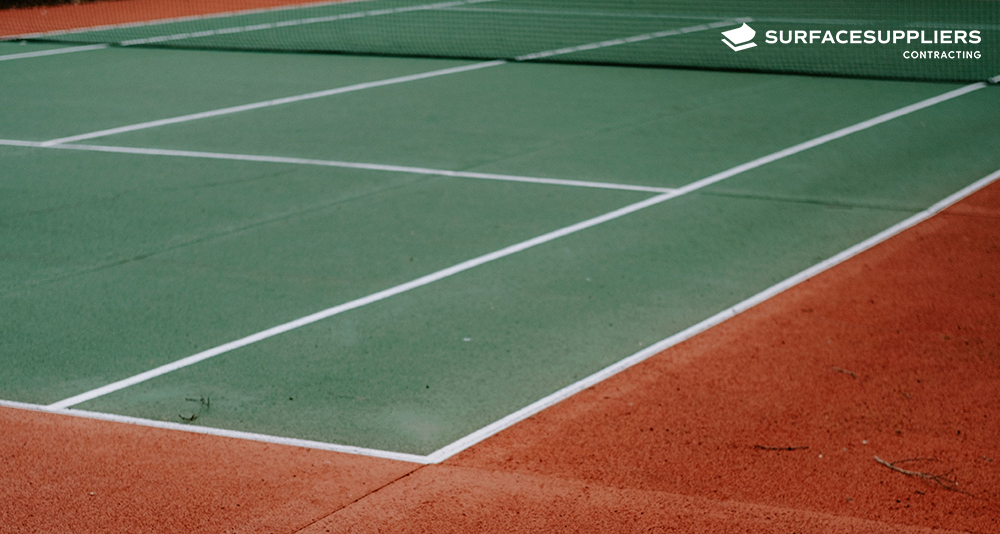
The most expensive sports field problems are almost never the fault of the surface material. The fiber quality, the infill specification, the line markings—those are rarely where things go wrong. The problems that cost the most to fix, such as flooding, uneven settlement, and soft spots under heavy use, trace back to decisions made during excavation and base preparation, before anyone thought about the surface at all.
Sports field excavation services are not a commodity. The sequencing, the depth, the compaction standards, and the drainage design established during site preparation create the structural foundation everything above depends on. Getting this right is harder than it looks, and getting it wrong is expensive to correct after the fact.
Excavation for an artificial turf or natural grass field begins with removing the existing surface material, topsoil, existing turf, base layers, and any buried obstructions, down to the required subgrade depth. For a full synthetic turf field, that depth typically ranges from 14 to 20 inches below the finished surface elevation, depending on the drainage system design.
The subgrade, which is the native soil left behind after excavation, must be assessed before anything is built on top of it. Soft spots, areas of organic material, fill from previous construction activity, or inconsistent soil bearing capacity all need to be identified and addressed at this stage. Compacting over a soft or inconsistent subgrade transfers the problem upward into every layer above it.
After the subgrade is assessed and any problem areas treated, the native soil is compacted to the specified density using plate compactors or rollers depending on the area and soil type. Compaction testing, using a nuclear density gauge or equivalent method, confirms that the subgrade meets the structural standard before base layers go in.
Once the subgrade is compacted, it needs to be shaped to the design grade. Sports field grades are precise. A typical cross-slope specification is 0.5 to 1.0 percent, meaning the field drops between half an inch and one inch for every 100 inches of run. That slope is what moves surface water off the playing area and toward perimeter drainage channels.
Laser grading uses a rotating laser plane and a GPS-guided blade system to achieve subgrade elevations accurate to within a few millimeters across the full field area. Hand grading cannot achieve this tolerance consistently over a large area. As we detail in our guide on why ground preparation and drainage matter most, a subgrade that is off by an inch or two in spots will transmit those irregularities through every layer above it, showing up as low spots in the finished surface.
Laser grading also establishes the crown or cross-fall profile of the field. Multi-sport fields often use a crown profile, higher at the center and sloping toward both sidelines, to shed water evenly in both directions. Single-use fields may use a consistent side-to-side slope. The design grade is set by the project engineer and implemented during excavation.
Subsurface conditions are not always what the pre-construction investigation predicts. Buried concrete, old drainage infrastructure, tree roots, or pockets of fill material can appear during excavation on any site. How the civil groundwork contractor handles these conditions determines whether they become minor schedule items or significant cost overruns.
Buried obstructions below the design subgrade depth need to be removed and the void backfilled with compacted structural fill. Leaving them in place creates differential settlement over time as the surrounding soil continues to consolidate while the obstruction holds its position.
High groundwater is another condition that sometimes appears during excavation on sites that looked dry during initial investigation. Excavating into a high water table requires dewatering, either through pump systems or by managing the excavation schedule around rainfall and groundwater levels. This adds time and cost but is not avoidable if the base needs to be placed in dry conditions, which it always does.
A sports field excavation contractor who has worked across different site types has seen most of these conditions and has protocols for handling them without derailing the project. Ask specifically about their experience with challenging subsurface conditions and how they approach scope changes when the ground reveals something unexpected.
Excavation does not happen in isolation. The drainage pipe layout, perimeter channel locations, and aggregate base specifications need to be finalized before excavation begins so that the dig is shaped correctly for what follows.
Perimeter drainage channels that collect surface runoff from the field edges need to be excavated to the correct elevation relative to the subgrade. The outlet connection to site stormwater infrastructure needs to be at the right elevation to provide adequate fall for drainage. These relationships need to be confirmed during design, not discovered during construction.
Aggregate base layers, typically a crushed stone sub-base followed by a choker course and a drainage layer, are installed immediately after subgrade preparation is complete and accepted. Leaving the exposed subgrade open for extended periods, especially in wet climates, allows moisture infiltration and can compromise the compaction already achieved.
At Surface Suppliers, we provide comprehensive sports field excavation services and complete field base construction across Canada, from subgrade preparation and laser grading through drainage installation and aggregate base placement. We have built fields for schools, municipalities, and private sports facilities at every scale, including football and rugby, soccer and lacrosse, and more.
If you are planning a field project and want to discuss site preparation requirements, contact us at 604-805-9494 to speak with our expert team.

When you watch a game on a professional sports field, your eyes naturally focus on the bright green turf or the crisp white lines. But the most important part of any sports field is actually what you ...

Most sports surface projects involve three or four separate trades: excavation, drainage, turf or court installation, and finishing work like fencing or lighting. When those trades are separate contractors, coordination gaps between them are where projects run late and problems get missed. We run all of it under one crew and one project timeline.
Built for Canadian Winters
Freeze-thaw cycles are what actually break sports surfaces in Canada – not the turf itself. A base that traps water will heave, crack, and shift every winter regardless of what’s installed on top. We engineer sub-base and drainage systems specifically for regional freeze-thaw and snowmelt conditions, so fields and courts hold their shape through winter instead of needing re-leveling every spring.
Where We Work
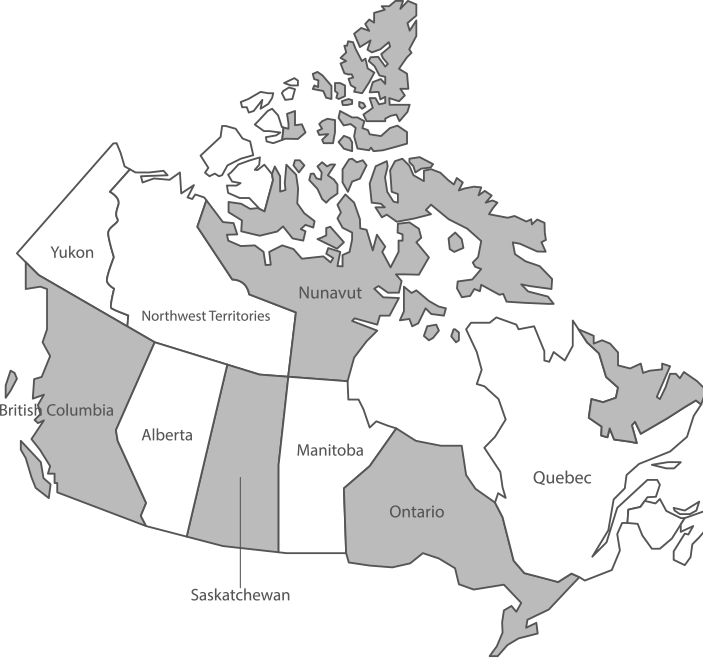
We operate project teams across seven regions of Canada, with dedicated crews active in these cities.
Winnipeg
Brandon
Quebec
Montreal
Quebec City
Laval
Sherbrooke
Gatineau
Atlantic Canada
Halifax
Moncton
Charlottetown
St. John’s
Ontario
Toronto
Mississauga
Brampton
Ottawa
Hamilton
London
Kitchener
Windsor
Niagara
Kingston
Saskatchewan
Regina
Saskatoon
Prince Albert
Territories
Yukon
Northwest Territories
Nunavut
Ready to get started? Every great project begins with a solid foundation. Request an onsite visit, and one of our experts will come to your property to assess the terrain, take precise measurements, and discuss the best drainage and surfacing options for your specific space.
We want you to see and feel the quality of our surfaces firsthand. Use this form to let us know which products you’re interested in, and we’ll get a sample pack or technical spec sheet headed your way.
If you are a synthetic turf installer or interested in becoming one, get in touch with us today and become an exclusive carrier!
L et’s bring your vision to life. Whether you need a 3D rendering of a new community park or a feasibility study for a professional sports stadium, our design team is here to help. Fill out the details below to start a conversation about your project’s potential.